
Conversion Rate Optimization


What is Conversion Rate Optimization? Conversion Rate Optimization (CRO) is the process of increasing the percentage of conversions from a website or mobile app.  In the context of E-commerce, CRO is the optimization of digital sales conversions. 


Why is this important? It is our observation that the most successful E-Commerce entrepreneurs are able to more effectively scale their brands if they focus on the details.  Given recent developments with IoS14 and other laws pertaining to customer privacy, now it is harder than ever to effectively market digitally.  What many entrepreneurs fail to realize is that there are minor tweaks that could be made throughout their sales funnel that can have a large impact on their profit number.   This is where we always recommend that our clients focus on conversion rate optimization as this will pay long-term and compounding return on investment.


6 Elements of CRO That You May Find Useful

  • Landing Page Design (Aesthetic)
  • Website Copy (Words used on site)
  • Call-to-action (Request for customers to take action)
  • Navigation and Site Structure (Easy to navigate)
  • Forms (One-click forms, easy password creation)
  • Page Speed (Load Time)


What is Split Testing?  Split Testing is running traffic to 2 different sites and seeing what works better.  Split Testing, for the most part, is a technique in which “more seasoned” online sellers follow through on.  


Like A/B testing, split testing ensures that decisions are not made by gut or guesswork.  It gives you the opportunity to compare and see which one works best for you.  It allows you to compare two different versions of your website or landing page and see which one does a better job of converting visitors into customers.  In order to truly optimize your sales process, we view split testing as ESSENTIAL to the long term success of your brand. 


Who are The Ecommerce Accountants?

The Ecommerce Accountants is an Accounting Firm that specializes in accounting & taxes for Ecommerce Businesses and other Digital Entrepreneurs.  All of our clients are E-Commerce Entrepreneurs.   On a daily basis we work with sales channels that include Shopify, Amazon, Etsy, Ebay, and Walmart sellers.   Within each of these sales channels we work with clients that drop ship, wholesale, warehouse inventory, 3PL inventory, and even Print-on-Demand.   Our clients also advertise and market across many platforms including Facebook, Tiktok, Bing, Pinterest, Google, Snapchat, and even influencers. As you likely already know, each of these areas have their own built in complexities, and given our broad experience in the space, we have a competitive advantage in terms of understanding your Online Sellers.

How We Added $500,000 In Sales With 3 Stupid Simple Split Tests

In today’s advertising market there’s a million-dollar question that everyone has.

“How can I increase my sales WITHOUT increasing my ad spend?”

Legends say those who are capable of doing this have already ascended to marketing mount olympus and have tea time daily with Russel Brunson and Gary Vee…

Seriously though.

Especially after 2020, ad costs have been rising faster than ever, THEN we got all these lovely IoS14 updates to make things even more interesting for us.

So what’s the answer?

How have we been outpacing the market changes to generate EVEN HIGHER ROI than before?

That’s exactly what you’re about to learn.

Here’s the snapshot on the down low of how this business looked before we implemented our strategy and after.


Now let’s get into the timeless marketing tactics that we used to start generating an average of $40K more in sales monthly for this store with the EXACT same ad spend.

You’re going to laugh at this.

Because it’s way simpler than you’re probably thinking.

While all of the other marketers in the world were trying to find a way to lower ad costs, we added $40K/mo in sales with 3 stupidly simple split tests

Now I want you to think about this.

Why try to find cheaper ads, when you can just focus on making more sales off of your existing traffic?

Here’s one thought we want you to take away from this guide.

Running Split Tests are FREE, and Have a Low Time Investment

So why do so few Ecommerce brands do it?

I’m honestly dumbfounded at how few brand owners focus on CRO.

Here’s the truth: If you own on an Ecommerce store and you haven’t implemented any conversion rate optimization tactics, you’ve got to get your priorities in order. 

It’s as simple as that. 🤷

So, let’s dive into how we got this done. 

Enter Client X, The Ecom Store Owner Struggling to Increase Profits. 

This client asked for us not to share their domain for pretty obvious reasons, but Client X is an absolute legend and gave us the greenlight to share the rest of the case study!

When Client X approached us, he was exhausted because he was spending 3-4 hours a day on his ads. 

Spending half of his work days on ads, and STILL struggling to drive more profit.

I told him the problem was not his ads… but his WEBSITE. 

I always find it funny that Ecommerce business owners forget that their entire business is a website and rarely work on improving their website. 

So back to Client X, here’s a quick rundown of how their numbers looked before we implemented CRO for them: 

When they approached us we took them through our typical process: 

  1. Install a heatmap on the website to see where the most people are clicking 
  2. Look at Google Analytics to see where there’s the most dropoff (people leaving the site without continuing the buying process) 
  3. Identify which demographics of people are buying the products (qualitative data) 
  4. Identify where most of their revenue comes from? (products, specific URLs, traffic channels, etc) 

*AHEM*

I hope you’re taking notes on this.

Seriously. Read those 4 steps above again and take them to heart if you’re serious about growing your store.

After this analysis, we identified three major problems with Client X’s website. 

  • They Had a High Bounce Rate on the Product Page → a LOT of traffic from their paid ads (mainly YouTube, but Facebook ads as well) would land on their product page and not click on anything on the page. Their bounce rate was >70%, which is very high. This was also very surprising that a store doing almost $250k per month had a bounce rate of >70%.

    This means one thing to us. With some simple CRO, we could improve this number drastically, which directly influences sales and profit.


  • They had a Low Add to Cart > Purchase Rate → the industry average Add to Cart to Purchase ratio is an average of 20-30%. This means if 100 customers Add to Cart, 20-30 of them will buy your product.

    Client X had an 18% Add to Cart > Purchase ratio.

    Again, for a store doing over $2 million a year, we’re just sad we didn’t get to them sooner, because they’ve been leaving so much revenue on the table. #GOLDMINE 


  • Unclear Upsell Method → for this product, there’s a $129 option, and a $179 option. They sell about 50/50 of each option, which was ANOTHER landmark opportunity to improve sales. In conversion rate optimization, there’s two major ways to improve revenue, increasing overall conversion rate, and increasing average order value.

    If you can increase both at the the same time… you’ll get some pretty insane case studies, like the one you’re reading now 😉

Client X’s homepage doesn’t get much traffic to the homepage, only 15% of traffic goes to the homepage. 60%+ of their traffic was to the product page of their top-selling product. This is where they pushed their traffic to from YouTube, so it all made sense.

This means we had to focus on their top-selling Product page and Cart page to have the biggest impact on revenue and conversion rate in the quickest period of time.

So here are the 3 split tests we decided to start with: 


Test #1: Change the Product Title 

Most marketers and Ecommerce founders don’t weigh the importance of having the perfect product title on their product page. They usually set a title when they create the store, and NEVER edit it again. Product title changes are always one of my first split tests I run on stores, because every single customer sees the product title

If you’re Nike and selling sneakers, you don’t name your product “Sneaker” or “Athletic Shoe”.

You want to name it something like “Super Awesome Incredible Premium Maximum Leverage Really Comfortable Shoe”…

Just kidding, that’s just as bad. 

You want to have some descriptive words and differentiation in your title, but not too much. Most new clients have too small of a title, but Client X actually had too much, so we ran a split test with two options, here is what Client X had before us:

“Professional-Grade Ionic Detox Foot Bath” is a bit too much description. The consumers seeing this may think that this is “too targeted” and ultimately “not for them” if it feels too specific. 

So, we wanted language that clearly communicates what the product does, but not exclude anyone. 

For example, the phrase “Professional-Grade” likely makes customers think this is for health professionals and not for consumers. This is the biggest observation we found, which became a massively profitable split test. 

By changing the title, we created over $8,000 of new revenue per month. This made an 8% increase in TOTAL conversion rate for Client X. 


Test #2: Increase Price Size and Savings 

Before, the cart looked a bit empty and not much in it. The red and blue were things we wanted to fix, but we wanted the first split test (in the cart) that would have the largest impact. 

Two things are most important in the cart page: 

  1. The customer feels they’re getting good value for the money they’re spending. 
  2. The client trusts that you will deliver on your promise 

Often in many Shopify and WordPress themes, the price representation (the actual $ value, visually speaking) is very small. If a price is buried, even at a high price point, loses trust with customers. 

For this reason, we ran a test to increase the size of the price ($129.99) and add a cost savings element (Save 50%). These two together seem to be a strong combination we’ve found work for many clients.  

The results of this test were just as significant, as it increased Add to Cart > Purchase Ratio by 25%. 

Client X loves us, by the way. After these two tests alone, he’s going to make an additional $300,000 over the next 12 months. 


Test #3: Upsell Communication 

For Client X’s product, a detoxifying foot bath, there’s two product options. 

With the foot tub, or without the foot tub. 

Obviously, Client X wants to sell them at the highest price possible, always adding the foot tub in. This adds an additional $60 to the Average Order Value, which is one of the most important metrics when working on conversion rate optimization. 

If we properly communicate WHY they need it, the customer confidence will increase, and so will average order value. 

So, when Client X came to us, the exact text read: 

“Foot Tub Options – None (I have My Own)”  

This is not very clear for a number of reasons. The most important one is that “None (I Have My Own)” is too suggestive, and telling the customer what they have or don’t. 

The customer needs to feel in control of their purchase, so we changed the text to the following: 

“Do I Need A Foot Tub?” 

Again, this puts the customer 100% in control of their purchase, and helps the internal narrative of them making decisions on the site as they purchase. 

This was our biggest winning split test, adding $5,000 per month of new revenue by increasing Average Order Value by 15%. 

The devil is in the details folks.

These are just the first few split tests we ran for this store, and we continue to test more aspects of the store to drive revenue higher and higher on a monthly basis, without increasing ad spend.

So after our 3 first split tests (which only took a few weeks to execute), here’s what the new stats looked like: 

We’ve got plenty more split tests to run that will continue the steady charge upward for this store.

As our subscribers are probably tired of hearing us talk about, what is most important about our CRO tactics is that they focus on increasing PROFIT above all.

By increasing the conversion rate and keeping ad spend the same, not only is the store now generating $70K more in sales monthly (so far,) but every single sale is more profitable because the cost per customer acquisition is lower.

A penny saved is a penny earned.

Except in this situation when you save a penny, you also earn more pennies.

If that makes any sense…

I think you get the point.

If you haven’t been focusing on CRO and you run an Ecommerce business NOW is the time to make it your top priority.

If you care about generating more profit for your store, without having to dump more money into ads, CRO is your answer.

If your margins are disappearing because of increasing ad costs, guess what?

CRO is your best option to stay ahead of your competition.

If you like hearing a biased opinion from CRO specialists about how CRO is the answer to all of your problems, you’re reading the right blog post.

The results speak for themselves.

Can you think of any other way to increase your sales so drastically without increasing your overhead proportionately?

Doubt it.

So stop sleeping on split testing.

Get instant access to 5 more of our simple split tests that you can run to grow your brand by signing up here!

Don’t get left behind as the E-commerce market is shifting.

Get ahead.

Generate More Leads With These 3 Tools
Today, everyone relies heavily on a wide range of different tools to manage social selling campaigns for our clients. As you can imagine, it becomes quite a pretty complicated task once you are managing dozens of different social accounts across many brands. To succeed, you need a suite of online helpers. Out of the more than ten different tools, most folks regularly use for online lead campaigns, each tool varies in terms of importance. Three tools stand out above the rest, in fact.

Below are three tools that are at the forefront of every strategy that I put together, driving campaigns and generating positive ROI.

If you are looking to put together a stack of social selling tech that will help you manage your campaigns, connect with your most important clients, and create a reliable social presence that will generate you leads for years to come, I recommend starting with these three social selling tools:

1. LinkedIn Sales Navigator

LinkedIn Sales Navigator is the best social selling tool available today, bar none. No other tool has access to the huge amount of data that LinkedIn has on its hands. Sales Navigator is a monthly subscription that drastically extends the platform’s features to include many sales tools that help you identify prospects, make contact with them, and make connections with your target audience. Truth be told, social selling wouldn’t be nearly as effective without LinkedIn Sales Navigator. It is without a doubt the more powerful tool in anyone’s arsenal and helps you identify, reach out to, and engage with your ideal buyer persona.

2. HootSuite

Hootsuite is a powerful tool for managing a range of social accounts across all of the popular platforms. It makes it easy for you to manage different brands and schedule high-impact social posts across their accounts. Additionally, since personal conversations are such a big part of social selling, you can use the platform to manage and monitor your conversations across accounts as well. The deep analytics offered by HootSuite is great for tracking your efforts and seeing how different tactics are working across different social networking platforms. While there are many options out there for social media management, Hootsuite stands above the rest, in my opinion.

3. HubSpot CRM

When you’re engaging in conversations with hundreds of prospects across multiple platforms, managing those relationships can become quite that task. HubSpot CRM is the perfect solution. HubSpot might be known for its inbound marketing software. Still, their customer relationship management tool is available for free, giving you room to grow if you decide to subscribe to the rest of their tools at a later date. HubSpot CRM is free, simple to use, and contains all of the necessary features for tracking your interactions with prospects while giving yourself room to grow in the future.

This article was previously published on SocialSellinator’s blog.

Original Source: feedproxy.google.com

4 Reasons Why You Should Get AdWords Certified

If you do a Google search for “PPC agency,” you can find thousands of businesses selling AdWords services.

Why? Because Google AdWords is complicated and tough to navigate for new PPC marketers and small businesses. Which is why you might be considering getting a Google Adwords certification.

Since Google is the most popular search network on the web right now, they need to use it.

Google is the best place for brands to buy ads for their target keywords.

These brands are out there, searching through thousands of PPC agencies that specialize in AdWords services and can help them out.

If you own a PPC agency, how are you supposed to compete with so many other companies?

That’s where getting AdWords certified comes into play.

The certification can give you the edge over your competition.

Getting certified can also give you a boost in popularity and credibility. (Google also has other certifications available as well.)

You should make certification one of your top goals if you want to get more PPC-based clients.

Here’s what it means to be AdWords certified, along with how you can get that coveted certification.

What is Google AdWords Certified?

Google AdWords certification is a professional accreditation from Google that shows prospective customers you are proficient in Adwords.

With the accreditation, you can display a badge on your site that shows that Google recognizes you as an advanced AdWords user and an expert in PPC advertising.


The Google AdWords certification is essentially a badge that you can show off on your resume, website, and social profiles to drive more sales for your business.

The certification is meant to differentiate between businesses that have a dedicated and proven proficiency with the platform from those that don’t.

Does Google AdWords Certification Really Matter?

Google leads the world in mobile and digital ad revenue. In 2017, they generated $73.8 billion in digital revenue, by 2020 the company generated more than $146 billion in advertising revenue.


In fact, Google’s parent company Alphabet actually makes more money on digital advertising sales than any company on the planet.

Google’s PPC advertising platform, AdWords, is one of the most effective platforms for driving sales.

Which is why having a certification is such a huge deal.

If you’re on the fence about the AdWords certification, here are 4 reasons why you should get it ASAP.


1. It’s a Form of Social Proof and Credibility

The AdWords certification is like any other certification that you can get online. It has the same purpose: to demonstrate credibility, knowledge, and skill in a specialized niche.

Most of all, it acts as instant social proof and credibility.

Social proof involves displaying good reviews from and the logos of reputable clients that have used and love your product and/or service.

For example, look at how HubSpot demonstrates social proof on their homepage to convert visitors:

In this case, instead of certifications, HubSpot advertises their social proof in numbers.

They convey credibility by showing that people love and trust their company and their services.

For example, when you see that their blogs have over 4.5 million monthly visitors, you probably think, “Wow, they have tons of visitors. I should follow them, too!”

I use social proof all the time on my site.

Social proof drives conversions.

Why? People trust reviews.

According to BrightLocal’s consumer survey, the majority of people read online reviews before considering a purchase:

People are going to be seeking this information to determine whether they should buy from you or not.

If you don’t have the right reviews, social proof, or credibility, you might be missing out on sales.

Most consumers trust reviews as much as personal recommendations.

Simply having them on your site is helping drive brand authenticity through the roof.

Nobody is going to buy your product or service if they don’t trust your brand.

The AdWords certification works the same way.

It’s a form of social proof that shows potential customers that your business is credible, trustworthy, and supported by a popular company like Google.

Being accredited by a well-known business is an instant form of social proof.


2. Create a Stronger Value Proposition

Communicating value is the key to driving sales.

It’s plain and simple.

If you can’t show someone that they need your product or service, then they won’t buy it.

People don’t think they need your product until you convince them that they do. This requires a value proposition.

Value propositions are designed to explain to the user what value they will derive from your product or service.

A strong value proposition explains a few major components:

There’s a simple method I’ve used to create value propositions in the past.

It’s a basic formula that can help you deliver value and benefit to your customer.

Product/Service with key features ensures that customer will be able to top benefit.

So, in practice, it would look like:

Crazy Egg’s heat-mapping tools ensure that your marketing team will be able to understand why visitors aren’t converting.

Now, just imagine the value proposition you could make with a certification from Google AdWords.

For example, look at how Gamma Partners convey value on their PPC services by showcasing their Partner badge:

Instead of merely writing that they are great at PPC management, they back up that claim by displaying the Partner badge.

Another awesome example of this comes from Blast Analytics & Marketing, who also does paid search management:

They use the Google Partner badge on their site to support their value proposition.

Value propositions that are optimized can increase conversions.

Adding a Google Partner badge is one of the best ways you can increase your value.

It shows potential customers that you have the experience and skills to effectively run their campaigns and make them money.

AdWords is all about bringing in money with quick sales online. Having the Partner badge shows that your company is capable of doing that.

If you want to convey more value to the end consumer, you need to get AdWords certified.


3. Google Adwords Certification Will Build Your Resume

Building a resume should be a constant effort.

Even if you run your own business, you should still be growing your resume.

Why? People use resumes for a lot more than just job applications.

A great resume is another way to communicate success in the world of entrepreneurship.

For example, let’s say you need an investment from a venture capital firm to start a new business.

If your resume is blank, what do you think the outcome will be? They probably won’t invest.

But, if you have certifications and data to back up your claims of success, they are much more likely to invest.

Resumes are yet another way you can communicate the value of your personal brand.

You can use them to showcase your achievements in your field if you ever want to land investment or bring on a new partner.

They want to know what your work experience is. They want to see your history.

Have you built companies? Did you work somewhere famous? Do you have certifications?

Ultimately they are trying to understand if you are the right person for the job.

So, they scroll down to your LinkedIn profile under the “Accomplishments” section to check your certifications:

That’s why building your resume is critical even if you aren’t searching for a new job.

People are constantly checking out your social media profiles to learn more about you.

If you run a company, you can bet that clients will be checking out your profile, and you need that profile to build credibility on its own if you want to close more deals.

If you go to your LinkedIn profile, you can add the Google AdWords certification directly to your virtual resume:

When someone inspects your profile or resume and notices that you have a certification, it tells them a few things:

You have dedicated yourself to that niche. You spent the time and effort to get the certification. You have a good work ethic and go beyond the minimum requirements

Certifications are a way to showcase your skills and build your personal brand.

If you want to grow your personal brand and show people that you mean business, get the Google AdWords certification today.


4. Google Adwords Certification = Free Promotion

Becoming a Google AdWords Certified Partner has countless benefits for any given business or entrepreneur.

You can use the certification to build social proof, gain credibility, and even drive more sales with a better value proposition.

But one of the best benefits comes in the form of free promotion.

Let me show you what I mean.

When you get certified on AdWords and become a Google Partner, they will list you on their verified website of partners.

If you navigate to the Certified Partner list, you can see various companies that are certified:

If you click the “Find A Google Partner” button, you can find certified companies to run your PPC and AdWords campaigns:

You can even locate companies that specialize in website analytics, too.

Next, you simply input your website URL and location to filter the results:

If you want to start finding great, certified companies, Google gives you an entire list of their certified partners.

And that’s free advertising for your business if you’re one of those certified partners.

Google is personally recommending you to interested customers. They even highlight the specific certifications that you possess.

If you have multiple certifications, you can show up for more of these results.

Users can also search by their industry and company focus:

Google’s Partner platform is a great tool that people use to find new businesses.

Why do they use it?

It’s reputable, trustworthy, and straight from Google.

Having your company featured on the Partners page gives you a leg up on the competition.

In fact, I’ve used the Google Partners page to find AdWords companies for my own business.

How to Get Google AdWords Certified

Now that you have a good understanding of what AdWords certification is and why it matters, how do you start?

First, you have to sign up for a Google Skillshop account.

Click “Log in” to start.

Then, you need to take some exams.

I know, it sounds brutal. But it’s worth it.

To get an AdWords certification, you need to pass several exams:

These exams cover topics like the benefits of online advertising, AdWords processes, and best practices for campaign management.

The specialty exams include search, display, mobile, video, and shopping ads.

If your company focuses on a specific area, it would be wise to spend time acquiring that certification.

If your agency services all of these AdWords functionalities, you should get them all.

Once you are ready to start taking the AdWords exams, you can navigate back to your Partner profile under the Certifications section.

From here, you can select the exams that you want to attempt.

For these tests, a passing grade is 80% or above.

Most of them take 100 to 120 minutes and have around 100 questions.

If you want to study for these tests (which I highly recommend), you can find the fundamentals study guide, along with the specialized exam guides, in Google’s Skillshop.

Even if you are an AdWords professional that runs accounts on a daily basis, you should still study to prepare.

Once you are done, you’ll need to make sure you meet the requirements to get the Google Partner badge.


Conclusion

When there are virtually thousands of businesses trying to get the sales for “PPC agency” searches, how do you stand out?

How do you communicate more value, experience, credibility, and social proof?

One of the best ways to do it is through the AdWords certification–it’s an instant form of social proof and credibility.

It can help you land more clients and stand out in a sea of AdWords companies. It will also give you all the skills you need to run your own AdWords campaigns.

However, it isn’t for everyone. If certification seems like too much of a stretch, feel free to reach out to my team for help with your PPC campaign.

What is the most compelling reason that you got (or want to get) AdWords certified?

Original Source: feedproxy.google.com

How to Use Social Proof to Boost Your Online Marketing

Have you ever been scrolling through Instagram and been drawn to a product you’ve seen repeatedly? Have you ever felt compelled to stop at the coffee shop with a line out the door versus the empty one around the corner? If you’ve ever experienced a sudden fear of missing out when you see other people using a certain product or wearing a specific brand, you have experienced social proof.

This psychological phenomenon is a powerful tool when it comes to marketing and can lead to greater visibility for your brand. If you’ve never heard of social proof marketing, don’t worry! This article will cover the fundamentals.

What is social proof? It’s the idea that people or consumers will follow the actions of the majority. It is based on the human tendency to assume that the majority must be right if so many people are behaving in the same way. While the majority is not always right in its tendencies, social proof is influential nonetheless.

The concept of social proof is not new. Though there are many, one of the most famous studies is Muzafer Sherif’s 1935 psychological experiment, in which subjects were asked to provide observations on a moving light. When grouped together, the subjects always arrived at similar measurements, even when their original individual observations had been wildly different. The study revealed that people are highly likely to conform to the majority, no matter what.


How social proof impacts brands

Social proof is a strong force for motivating behavior. Because of this, it can be an essential tool for marketers. When used correctly, you have the opportunity to convince prospective customers that your brand is the best choice for them. This is especially true of online marketing. In lieu of trying products on or sampling them in-store, consumers rely almost exclusively on recommendations to feel confident about their online purchases. When developing a marketing strategy that aligns with ecommerce best practices, it is important to consider the pros and cons of social proof.


Pros of using social proof

More often than not, the pros of social proof marketing outweigh the cons! The rich benefits include:

  • Providing a more subtle form of marketing

One of the keys to social proof marketing is to provide a resource for your customers versus crafting an ego-boosting ad campaign. Customers often respond well to marketing that comes in the form of a tool for their benefit.

  • Boosting your SEO ranking

Beyond building brand awareness and fostering trust between you and your customers, social proof can also help elevate your Search Engine Optimization or SEO. Manage your Google My Business profile and use SEO tools to better manage your ranking and gain visibility in the right places.

  • Enhancing your social media marketing plan

This versatile form of marketing lends itself to content marketing. As a part of a social media marketing strategy, social proof works best when shared via all of your social platforms. Consider using social media tools to streamline the way you incorporate social proof into your social media marketing.


Cons of using social proof

While the benefits of social proof are many, there is potential for a negative impact as well. As you develop your plan, watch out for the following pitfalls:

  • Relying too heavily on social proof

One of the common mistakes when using social proof marketing is relying too heavily on it while neglecting other marketing aspects, such as content marketing and social media marketing. This means you should still be using paid ads, optimizing your website, and launching email marketing campaigns in addition to building up your social proof.

  • Marketing to the wrong audience

Social proof is only effective when directed at the right audience. Consider the type of consumer you hope to attract — do you have social proof of like consumers enjoying your product? If the answer is no, you’re probably not getting the most out of your social proof.

For example, if you are promoting your business on the fact that you have a large, well-known tech company as a client, but you are marketing to small businesses, social proof marketing can backfire. Your prospective clients might feel intimidated or feel that your business isn’t suited to their specific needs.

  • Being too generic

To avoid being too generic in your social proof, be sure to include proof that includes customers who represent your core demographic. Are you marketing to start-up companies? Make sure you have them in your testimonials. Are you better equipped to work with salons or beauty professionals? Your social proof should cater to them.


Types of social proof in marketing

The good news is there are many impactful ways to use social proof to get a head start in ecommerce, and the options only keep growing. Types of social proof commonly used in marketing include:

  • Expert proof

You can achieve expert social proof when an expert within your industry provides a recommendation for your product or services. For example, an expert might provide a testimonial for your website or even appear as a guest during a live video event on Facebook.

  • Celebrity-endorsed proof

As you may have guessed, celebrity social proof is when a famous social media personality or celebrity endorses your brand. An example might be a YouTube tutorial made by a famous influencer that features your product.

  • User proof

User social proof is increasingly important in the online marketplace. It occurs when your current customers recommend your product based on positive experiences with your product. Examples include positive reviews on Yelp! or glowing comments on Facebook, Instagram, or Twitter.

  • Crowd wisdom

Crowd wisdom is more about quantity than it is quality. That is to say that the power of crowd wisdom lies in the large number of customers endorsing your brand. They don’t necessarily need to provide in-depth reviews. Rather, their visible loyalty to your brand is enough to attract others. An example would be an Instagram following of thousands — or millions — of followers.

  • Friend endorsements

Social proof happens on a small scale when friends recommend products to one another. This can be an immensely influential form of marketing.

  • Certification

Certification as social proof is achieved when an organization or authoritative figure within your industry certifies your product. Examples include the blue checkmark on Twitter or Allure’s Best of Beauty Awards for beauty products.


10 ways to use social proof marketing in your business

Now that you understand the importance of social proof marketing and what it can look like, it’s time to explore how you can use social proof to boost your online retail conversions.


1. Be responsive to customers

Many social media or retail platforms allow you to show off your excellent response times to customers. Facebook gives you the option to display your rate and response time to your followers. If you maintain a quick response time, prospective customers are encouraged to reach out with questions about your products, the purchasing process, and even to provide feedback on your product. This can foster great engagement with your customers and help build a loyal brand following.

In this example, you’ll notice that Urban Grill and Wine Bar typically respond to messages within one hour. This prompt response encourages Facebook followers to engage with the business over Facebook, where they can post great reviews, tag the restaurant in a post, and more. The social proof lies in the way the “typically responds within one hour” tag shows visitors that other patrons are visiting Urban’s Facebook and receiving great customer service in the process.


2. Host social media takeovers

The social media takeover is a popular way to provide social proof to potential customers. By inviting an industry expert or thought leader to take over your social media profile for a day, you can build strong associations with their followers and your own. In this way, their followers will be influenced to have a greater trust for your brand, while your followers will appreciate the expert endorsement of your brand. This also gives you an opportunity to create educational content to post later.

Discount Dance is an affordable dancewear brand that often utilizes takeovers on its Instagram profile. Here, young dancer and model Emmy Bucher lent her influence as a dancer and customer to Discount Dance for the day. The choice to feature an up-and-coming young dancer who has found some success in the industry provides a small-scale version of expert proof. Many young dancers will be more drawn to the brand due to her takeover.


3. Celebrate your mentions

A modern form of social proof is being mentioned or tagged in a social media post by a famous brand, well-known influencer, or the press. This form of expert or celebrity social proof can provide a huge boost in brand loyalty and establish trust among more followers. Social media is often about reciprocation. So, you can maximize the power of your mentions by reposting them on your own social media profile with phrases like “grateful to be featured by…” or “honored to be recognized by…” or “OMG, can’t believe we were mentioned by…” depending on your target demographic.

In this example, luxury clothing and lifestyle brand Ivy Park reposts a story by pop star Ciara in which she shows off her new Icy Park by Ivy Park apparel. Founded by Beyoncé, Ivy Park doesn’t seem to need any more star power. However, by reposting Ciara’s story and showing gratitude for her support, Ivy Park builds customer trust and amplifies the effects of Ciara’s original post. In this instance, the repost is a form of celebrity-endorsed social proof.


4. Use brand ambassadors

Another form of influencer marketing, social media ambassadors can offer user, celebrity, or expert social proof — depending on who you partner with and how you partner with them. Brand ambassadors, similar to brand affiliates, often list their ambassadorship in their bio and regularly post about your brand’s products.

Fitness brand Fabletics often features ambassadors on their Instagram feed, including professional dancer Maddie Ziegler. As a professional dancer featured on the show Dance Moms, Maddie provides both celebrity and expert social proof as an ambassador. With posts that include phrases like, “Dancer approved,” Fabletics is using social proof to appeal to fitness buffs, dancers, and fans of dance — casting a wide net with just one collaboration.


5. Use social proof in your ads

One way to use social proof is to feature it in your paid ads on Instagram and Facebook or Google. For example, crowd-based social proof is often used in ad copy — celebrating how many customers, five-star reviews, or certifications your brand has. You can also feature these persuasive statistics on your website.

Tech start-up ClickUp utilizes a form of crowd wisdom by highlighting its five-star status “based on 10,000+ reviews on G2 Crowd, Capterra, and GetApp.” This shows visitors that thousands of users are already raving about their experience with ClickUp. ClickUp also invites prospective clients to “join 200,000+ highly productive teams,” including Google, Airbnb, Booking.com, and Uber. By including these high-profile clients on their website, ClickUp not only invokes the crowd wisdom of “200,000+ teams” but also the expert social proof of high-profile brands who have chosen ClickUp.


6. Partner with micro-influencers

Influencer marketing is a cutting-edge way to gain celebrity social proof for your brand. However, if you’re looking to market in a more relatable way, micro-influencers often hit the perfect mark between celebrity and user social proof.

Micro-influencers have between 1,000 and 100,000 followers. While their reach is smaller than high-profile influencers, micro-influencers often build more meaningful connections with their followers. Depending on your industry, micro-influencers can sometimes lend expert social proof to your product as well.

Here, micro-influencer Jasmin Vanessa provides an endorsement for Truly Hard Seltzer. With nearly 40,000 followers, her audience might not be as extensive as an influencer clearing 100,000, but her followers look to her for very specific lifestyle recommendations. Followers will form a positive association between Truly and the specific lifestyle that Jasmin leads — dramatically increasing the chance that her followers will purchase the seltzer. This is social proof at work! Followers look to Jasmin as a relatable fellow user and an expert in curating an aspirational lifestyle.


7. Work with experts on a social media event

Another way to leverage celebrity and expert social proof is to host an event with experts in your industry. These collaborations lend the positive influence and expertise of your guests’ to your brand, launching brand trust to a new level among current and potential customers. These events act as a valuable resource to your audience — and you can stretch the benefits of the event by using clips and takeaways to fuel your content marketing in the future.

Beauty brand No7 partners with The Female Quotient, Hello Sunshine, and Fortune to host a business summit for women. By hosting celebrities and experts across multiple industries, No7 simultaneously demonstrates its investment in its customers’ well-being — mostly women — and gathers immense expert social proof for the brand.

While the summit is on a topic outside of the beauty industry, this bold event encourages customers in a multidimensional way. By providing resources that transcend its product, No7 is building intense brand loyalty and meaningful connections with its customers. No7 promotes this event across its website, LinkedIn, and other social media channels.


8. Share testimonials on your website

Testimonials are a powerful form of user social proof. They assure prospective customers that they will have a stellar experience with your product and provide potential clients with a window to the type of customer you serve. When sharing testimonials, it’s important to make sure you represent the type of customers you hope to attract.

Here, skincare brand Haldi features user testimonials at the bottom of its homepage. You might notice the unique format of these testimonials designed to look like the customers’ original emails. This clever choice lends authenticity to this form of user social proof while allowing Haldi to highlight the kind of customers it serves. Here Haldi shouts out Jaclyn, a stylist at Anomalie, a custom bridal brand. This shows prospective clients that Haldi caters to busy professionals seeking better skincare — and that the service works! Testimonials written by happy customers in your targeted customer base are outstanding social proof tools.


9. Highlight user-generated content

Outside of managing your reviews, user-generated content is one of the most direct ways to use user social proof in your online marketing. This strategy shows potential customers that other people like them are using — and loving — your product. User-generated content provides consumers with a way to envision the ways your product will impact their life.

Alo is as much a lifestyle brand as it is a yoga apparel brand. In this example, Alo includes a live feed of user-generated Instagram content on their homepage. By featuring satisfied customers posting about their fitness-forward life in Alo apparel, this brand shows potential customers what their lifestyle might look like if they purchase a luxe pair of leggings. Alo’s massive presence on Instagram also generates crowd wisdom social proof in that it proves that large numbers of yogis and athleisure enthusiasts are wearing Alo.


10. Get verified

Getting verified on Instagram, Facebook, and Twitter lends you both a beautiful blue checkmark on your bio and an effective form of certification social proof. This particular certification positions your brand as credible, authoritative, and popular. Beyond gaining access to special features, being verified on social media is a massive social proof marketing opportunity.

In this example, you’ll see dancer and choreographer Parris Goebel has earned a blue check on her profile. This lends her brand immediate credibility, driving customers to her clothing brand Runaway Motel and encouraging clients to sign up for her various virtual dance classes and events. When consumers encounter a brand they’re not yet familiar with, a blue check provides them with immediate assurance that they are interacting with a trustworthy business.


Next steps

With careful planning, social proof can provide a huge boost to your online conversions. Now that you know what social proof is and how you can use it, are you ready to leverage this psychological phenomenon to elevate your online marketing?

Original Source: feedproxy.google.com

What Marketing Competitor Analysis Is and How to Do it

You don’t need a business degree to know that your company needs a marketing plan.

Successful startups dedicate months to designing a strategy for conversions and online visibility. They run focus groups and conduct market research to guide their execution, but they don’t stop there.

Even niche businesses aren’t so scarce anymore. Everyone has someone to compete with, someone to lose customers to. So, it’s crucial for every company, big or small, to perform a competitive analysis of their business rivals.

It’s not enough to know the customers — you need to know the contenders. Without careful consideration of your rivals, you’re at risk of losing huge business opportunities.


Know Your Rivals, Know Yourself

First, what is competitive analysis?

Well, it’s not rocket science. As the term suggests, it’s merely a descriptive report of your business rivals.

The analysis includes information on the strategies, services, shortcomings, and accomplishments of a competing corporation. It may consist of more material, such as customer reviews, SEO rankings, and sales reports if you can get your hands on those details.

All these blurbs of information come together to help you reassess your own strategies and services. Everything in the report should help you improve your growth marketing.

A thorough, well-rounded competitive analysis will reveal opportunities and threats.

Regular market analysis with no emphasis on your rivals will only tell you about your industry’s current supply and demand chain. It won’t point out the differences between wholesalers or reasons customers choose one brand over another, but a competitive market analysis will.

Knowing your competitor’s brand, their success rate, and the way they advertise themselves will help you come up with aggressive tactics to win over the customer base.


How to Use a Competitive Analysis to Help Your Business

Competitor analysis helps you devise better promotions and marketing techniques than your challengers. It’s an excellent tool for predicting trends and avoiding customer dissatisfaction.

Think about it, having access to your rival’s business plan would allow you to compare services and prices, maybe even come up with a better way of doing things.

Had Blockbuster used a competitive market analysis to guide their business strategies, they might have recognized Netflix’s threat when it launched streaming services. These reports allow your company to examine trends and industry projections so that your brand can stay on top in an ever-progressing world.

Let’s say you run a frozen yogurt shop, but there’s an ice cream parlor just down the street. They are your top competitor, and your analysis indicates that they offer a punch-card promotion that gets customers a free scoop of ice cream at every tenth purchase. You could use this information to design your own special, one that’s way more enticing.

Your yogurt store could offer happy hour pricing every weekday to compete with the less-occurring promotion at the ice cream parlor.

Think ahead and allow data to direct your business decisions.


Creating a Competitive Market Report for Your Brand

Luckily, you can learn how to do a competitive analysis without being a marketing-wiz. As long as you understand your industry and your own company, you’ll be able to analyze the opposition in a way that benefits you, your profits, and your customers.

Knowing your competitors helps you beat them. There are various competitor analysis tools that can help you better understand your business rivals even if you aren’t formally educated in data analysis.

Word-of-mouth travels via virtual channels nowadays, so you can’t afford to ignore the internet. Odds are, every one of your competitors is online. While this increases your struggle to stand out, it also provides you access to information that will help you build your competitive market report.

First, you need to identify your rivals. They might be direct or indirect contestants, but consider both when conducting the report. Find their websites, their apps, anything that promotes their brand, and study it.

When researching your rivals, ask yourself what they do that works. What doesn’t work? Have they had any major PR incidents?

Are your competitors offering more than you? What are their customer reviews like?

The answers to these questions will help you level the playing field and eventually take advantage of your competitors.

Your employees must know how to do a competitor’s analysis in digital marketing and apply it to other departments. Depending on your company’s age, you might need to kick your strategies into top gear to compete in today’s market.


Conclusion? Competition Analysis is For Everyone.

No matter how well your business is doing, you can always learn something from your competitors. There’s still room for improvement.

Original Source: feedproxy.google.com

10 new perks of remote work

Companies are giving employees more time, money, and flexibility to recognize the new reality of 100% remote work.

The future of work is a hybrid solution that will include both remote and in-person work, according to Rhiannon Staples, chief marketing officer at the people management platform Hibob.

“There is still value in meeting face to face but we’re not going back to the way it was,” she said.

This means companies have to find new ways to create connections among employees. Leadership, culture, and communication skills will all play a part in creating a new normal. One of the first things to rethink is employee perks. Fresh fruit and free coffee in the breakroom don’t make sense anymore.

Carolina Valencia, a director in the Gartner HR practice, said that her research found that:

  • 64% of companies offered a new well-being benefit in response to the COVID-19 pandemic
  • 85% introduced additional mental health support
  • 87% of businesses provided flexible work hours to employees taking care of children or parents
  • 26% gave employees paid time off (PTO) for childcare and 21% gave PTO for eldercare
  • 18% reimbursed childcare expenses

Valencia said that the COVID-19 pandemic has made clear to employers and employees that work and life cannot be treated as two separate constructs.

“If we help support employees with all aspects of their health during turbulent times more effectively, not only do they have better lives, but they perform at a higher level as well,” she said.

According to a Gartner 2020 ReimagineHR Survey, when employers develop deeper relationships with their employees, there is a 23% increase in the number of employees reporting better mental health and a 17% increase in the number of employees reporting better physical health. Employers that support their employees more holistically realize a 21% increase in high performers.

Robert Glazer, CEO of global marketing agency Accelerated Partners, said that companies cannot simply shift in-person business to a remote setting, make no other changes, and expect employees to be happy.

“They need to invest time and resources in giving employees the tools they need to excel, giving them chances to connect with colleagues, and helping employees set healthy boundaries between their work and personal life,” he said.

The new benefits fall into three basic buckets: time, money, and physical and mental health benefits.

Here is a look at the creative ways employers have helped employees cope with remote work during a pandemic.


1. Flexible work hours

One relatively easy change was to offer flexible work hours. Companies realized that people were suddenly dealing with many more nonwork responsibilities during the day. Staples said she has seen companies place a higher value on outcomes, rather than outputs, to support this shift.

“Just because a job schedule was nine to five historically, could you afford to let employee work hours that are a better fit for their personal circumstances?” she said. “So long as a person is hitting the objectives you’ve set for her, the hours don’t matter so much.”

Zendesk adopted a new meeting policy to combat Zoom fatigue.

“We also implemented a company standard of shortened meetings—30 minutes are all 25-minutes long, and 60-minute meetings are now 50 minutes,” said the company’s head of global benefits, Evangeline Mendiola.


2. More leave

Employers also recognized the need for more time off. Mendiola said that internal survey results showed that employees who are parents and caregivers were feeling particularly challenged.

“We introduced a global COVID-19 caregiver leave, which includes up to two weeks of paid time off with an additional option of up to four weeks off unpaid,” she said. “This leave can be used to care for a family member(s) due to lack of child care/elder care support.”

Anton Konopliov, founder and CEO of Palma Violets Loan, said that he also has noticed companies offering extended paid leaves up to one month.

Josh Brooks, head of marketing at the online marketplace OnBuy, said his company gave all employees five days of annual leave to encourage team members to take time out to focus on mental well-being.

OnBuy also introduced a new flex-time system that allows team members to choose the working hours that best suit their needs.


3. Extra support for parents and kids

Cobalt Director of People Sharon Heimowitz said that the pandemic increased communication between employers and employees about work needs and personal needs.

“Employers are recognizing that their employees have a lot going on and they need to support activity costs that they might not normally feel responsible for,” she said.

Heimowitz said companies are providing monthly stipends to cover childcare needs, including opportunities for children to be involved in a group activity safely or for the cost of childcare so a parent can work.

KLA Corporation, a nanoelectronics supplier, provided reimbursement for tutoring and child care expenses, and back-up child care through Care.com. Sandra Mahadwar, chief inclusion and diversity officer and senior vice president of talent management, said that in some regions the company also provided extra paid leave so employees can have some time to supervise their children and support their online schooling, or just to recharge.

Eve Melon, head of people and culture at chatbot software company Tidio, said the company introduced an asynchronous communication system and flexible work schedule to allow our employees to integrate work-life balance better, especially parents juggling school schedules.

Okta Chief People Officer Kristina Johnson said that the company helped employees secure technology supplies for kids to use for remote learning.

“Okta began repurposing company laptops and created a lottery system so Okta parents could receive a free laptop for their child to promote remote learning,” she said.


4. Expanded mental health benefits

Another benefit that many companies started offering in 2020 was more mental resources. Many businesses have recognized that mental fitness is pivotal to business and personal success, Staples said.

Konopliov of Palma Violets Loan said he has seen an increase in telepsychiatry services and access to mental health services virtually through phone call support by an on-call psychiatrist.

Sandi Kochhar, chief people officer at revenue intelligence platform Gong, said that the company expanded mental health services to include personal coaches and therapists, and meditation. The company has a “mindful Jedi” community that holds bimonthly breathwork sessions and shares resources on mindfulness practices.

Valencia of Gartner HR said that research shows that nearly half (49%) of employees took advantage of mental well-being programs in 2020 at companies that offered those services.


5. Help with grief

ThinkHR and Mammoth HR’s vice president of people and talent, Carla Yudhishthu, said that her company found a way to recognize the loss that many people have experienced over the last year.

“Earlier this year, we hosted a grief workshop to make sure that our managers understand, identify, and acknowledge grief they may be feeling and are also prepared to support their team members,” she said.

Yudhishthu said the company also gave employees a yearlong subscription to a guided meditation app Headspace.


6. COVID-19 supplies

Drew Zalkind, the COO of airSlate, a Boston-based tech company that provides no-code business automation solutions, said that his company sent employees a COVID care kit.

“We sent COVID survival packages to employees, including a mask, knapsack, phone charger and portable wine cozy–everything needed to outfit them for a walk or a hike,” he said.

Konopliov of Palma Violets Loan said that employers are also providing medical assistance to employees and their immediate families in the same household for treatment of and recovery from COVID-19 as well as providing isopropyl alcohol wipes, face masks, and face shields to all employees.


7. Stipends for home offices

Staples said that HiBob uses its own platform to survey employees every month to understand how circumstances have changed over the last year. The company uses this data to make business and policy decisions.

“That’s how we found out that people didn’t have a proper desk chair and they needed money to set up a home office,” she said.

Sharon Heimowitz, director of people at the pen testing company Cobalt, said that covering the costs of home office setups has become a common benefit.

“These stipends have been across the board offerings as opposed to employees submitting expenses for reimbursement,” she said. “Employees don’t need to ask permission for specific items such as an extra monitor or their favorite keyboard.”


8. Choose your own benefits

While some companies offered a stipend to cover the costs of building a home office, other leaders took a more open-ended approach.

Jessica Lim, HR manager at MyPerfectResume, said companies should offer their employees options where they can choose the appropriate activity that fits their lifestyle and personal needs.

“Some employees would benefit from individual coaching sessions, others from regular workouts, some like to work in groups while others prefer to do it independently,” Lim said.

ThinkHR and Mammoth created a $50,000 companywide stimulus package. Each employee got a $250 cash bonus to ease the transition into working from home. Yudhishthu said the company asked that they spend the remaining balance to support local businesses in their communities.

“This turned out to be quite a fun request because we saw our employees give back in some really unique ways such as prepaying for haircuts from their barbers and stylists and starting community gardens with seeds from their local nursery,” she said.


9. Protection against identity theft

Now that so many people are working from home, cybercriminals have turned their attention to attacking home networks as a way to access corporate networks. This also means an increased risk of identity theft for employees. Cobalt’s Heimowitz said she has seen more employers offer identity theft or data security programs such as LifeLock to protect employees from the rash of identity fraud that has taken place since the pandemic started.


10. Online fun

It turns out that most in-person team-building activities can move online, even social events like breakout rooms and painting classes. Joan Alavedra, co-founder of Onsite.fun, a corporate wellness platform of team building activities for remote teams, said that companies are changing calculations about benefits to reflect the shift to decentralized teams.

“We are seeing a swift shift from irrelevant and old corporate perks to updated and curated packages where individuals can choose perks that are relevant for their life habits,” she said.  “More practical necessities like child care, mental health, office stipends, team buildings, etc. are eclipsing the cushy office catering and wellness programs.”

Okta also created an online one-stop-shop for employees looking for ways to stay healthy while working from home. The Okta Employee Experience Marketplace provides workout classes, social events, parenting resources, discounts on personal services such as meal delivery, on-demand dry cleaning, on-demand therapy, according to the company’s chief people officer, Kristina Johnson.

Jill Sandy, founder & HR manager at Constant Delights, a gardening blog, has replaced in-office perks with subscriptions to Disney+ and Netflix.

Staples said that HiBob has hosted a remote escape room and sent personal care packages to employees.

“These activities are not a huge expense but they do make employees feel seen and cared for,” she said.


Source link

The post 10 new perks of remote work appeared first on FA Tech.

Original Source: fatech.in

What they never tell you about becoming a freelance creative
Going freelance can be a scary prospect, as there are so many unknowns. Will you find enough clients to keep the wolf from the door? How much will you earn? How often will you get paid?


1. You’re running a business

Many people think that switching from being a staff member to a freelancer means getting paid differently. But it’s so much more than that. As motion designer Thomas Colony points out: “When you become a freelancer, you’re not just taking on one role, you become the project manager, the accountant, the CEO, the client manager… freelancing is running a business.”

To put it in day-to-day terms explains designer and director Luke Tonge, “You spend almost as much time on admin as you do on the work itself. Calls. Zooms. Emails. Invoices. Presentations. The list is endless.”

As designer Nick Clement says: “You’re going to be running a business, so you need to get an accountant. Sort your pension early. Understand tax and future planning. Save 30% if you can for tax. Get a deposit, scope of work and contract every time.”

It’s a lot of responsibility, but online accounting software can help. Xero, for example, allows you to keep track of all the income, outgoings, receipts and other financial records within one easy online dashboard that you can access anywhere from your mobile, tablet or laptop. And your accountant can log in to your Xero account and get all the information they need from you straight away, saving you both time and effort.


2. Your income won’t be consistent

Even though you’re earning more as a freelancer than an employee, it doesn’t always feel like it because there’s no consistency when payments actually come in. As designer James Stone notes: “The work you are doing now is likely your wages in three months. So don’t think that just because you have a buffer now that you can relax. Because in three months, you’ll have a shortfall.”

Tax payments at the end of the year can be particularly terrifying. So as designer and illustrator Si Heard recommends: “Over-save for tax when you get paid for each project. With a bit of luck, you’ll have a bank of savings at the end of the tax year!”

Again, online software can remove a lot of the stress here. Xero, for example, makes it easy to generate and send quotes and invoices, and monitor payments, not to mention chasing up late payers automatically. And to smooth things further, you can choose to connect it to your bank and payment services and integrate it with apps like PayPal and Stripe.


3. The need for self-promotion never ends

Even if you’re getting a steady supply of work as a freelancer, there’s no guarantee that will continue forever. Self-promotion isn’t something you need to do at the start of your freelance career but throughout it.

“Never stop marketing!” urges graphic designer Russell Daniels-Lake. “You need to plant seeds because your outreach can take a while to respond. If you’re busy, just set aside an hour a week for marketing to make sure your work doesn’t dry up.” Si Heard agrees. “Treat your own brand as an external client who needs developing and nurturing over time, and is slightly demanding,” he suggests.

It helps if you can make your case with solid evidence of your brilliance, adds content writer Sarah Colley. “You need to be constantly tracking all of your campaigns and work,” she advises. “Take screenshots of your work on websites, both before you worked on it and after. You can use this to write case studies and get more work.”

Art director and designer Kirsten Murray adds that self-promotion not just about finding new clients. “It pays to be proactive with your existing clients, too,” she says. “Whether it’s a campaign idea or an improvement to their website, suggesting ways in which you can help them further is often more fruitful than pitch work, because you know their needs and already have a relationship.”


4. Big clients aren’t always the best clients

On the subject of clients, it’s a common misconception that the most prestigious the client, the better. But as print designer and illustrator Laura Hickman Sell has learned, “The big-name ‘hit the jackpot’ clients can turn out to be the worst experiences. Smaller jobs can turn out to be the most rewarding and bring further opportunities. So treat each job equally.”
Similarly, graphic designer Berenice Smith advises that you: “Check the payment terms of large companies and decide if you can work with them because they are often immovable and monthly, or longer.”

Be aware that big organizations can offer up multiple people to deal with, which can rapidly get confusing. “With bigger clients, don’t be afraid to ask at the start if there are other decision-makers involved in the project,” says graphic designer and illustrator Graham Pilling. “That enthusiastic person who loves the ideas you’re sharing with them might not be the one who actually signs off.”


5. It helps to find a niche

Being a freelancer doesn’t mean you have to be all things to all people. In fact, some of the most successful freelancers are those who specialize. As designer and illustrator Kiera O’Brien says: “At uni, I had it in my head that to be self-employed you had to be a perfect designer with all of the answers, which definitely isn’t the case. Instead, it’s about finding your niche and finding your people.”

Writer and CEO Sarah Kathleen Peck agrees. “The more specific you can be, the better,” she argues. “It’s very confusing to come to a website that says, ‘I do writing for EVERYONE!’ and so much better to hire someone specific: for example, ‘I optimize blog posts for SEO for soccer coaches.'”


6. You can quickly burn out

If you’re successful at promoting yourself and the work is flowing in, everything’s great, right? Wrong. Work yourself into the ground, and you’ll soon find yourself crashing and burning, both mentally and physically. So as Liz Harkman, executive director for Bristol Festivals, says: “You need to treat yourself like an employee. You’re allowed slow days, duvet days, sick leave, space and time to think, and a holiday! Learn to take a break from your work when you need to.”

Designer and art director Gil Cocker agrees. “When starting, it’s easy to fall into the trap of accepting every job that comes along,” he says. “But taking a break will help in the long run and avoid burnout. Also, sometimes scarcity can help bring in more work.” As the old saying goes, treat ’em mean, keep ’em keen.

It’s not just about scheduling holidays, but also building ‘me time’ into your working day. “Remember to take time away from your desk,” says illustrator and designer Paul Johnson. “Head out for a walk, even though you’re always aware of chasing the next job, or doing the next item of personal work. Finding the space to breathe and let your brain recharge so you can be creative is just as important.”

Graphic designer James Mayall, meanwhile, suggests getting a dog. “It forces you to leave the house at least once a day and get fresh air, which is the best thing for the mind, body and soul,” he explains. “It also gives you an office companion who won’t judge you, and will be happy to listen to your rants.”


7. It can get lonely

Burnout is not the only danger to your mental health as a freelancer: loneliness can also be crushing. “No matter how much of an introvert you are, working from the same space all the time will get lonely,” says illustrator and artist Morrighan Sparkles. “So be sure to set up Discord channels, or Skype calls with your friends so that you can get that daily contact. Even better if it’s with fellow creatives. Discord has been a lifeline for me since day one. I try to check-in and have a chat with folks every day, and it really does help to stave off that loneliness.”

Social documentary photographer Katherine Green agrees. “To avoid isolation, make sure you create your own networks, be that digital or physical,” she advises. “Dedicate time to connecting with others, sharing your experiences and communicating. Also, use a network for mentoring and critical feedback. Use it to creatively push yourself, as well as for social.”

The biggest thing to realize, says marketing and PR consultant Veronica Wood, is that freelancers are your friends, not your competition. “After some initial suspicion, I realised that we each offer something very unique,” she recalls. “I have now made so many freelance friends, as well as winning work and referring work to others, through freelance communities.”


8. You need to play the long game

There’s no sugar-coating it: there will be bumps along the way in your career as a freelancer.
As digital strategist Ayesha Ambreen puts it, “It will go worse before it gets better. You’ll be scammed a thousand times before you will learn to be vigilant. You’ll go broke AF before you start making (much) more than in a 9-5 job. You’ll go crazy before you get comfortable with DIYing everything. But don’t worry, it’ll get better: stay strong!”

As illustrator Lele Saa puts it: “Becoming a freelancer, it’s like a long-distance race. It requires a lot of perseverance, endurance, and taking care of oneself. But eventually, the finish line will be there. And then another race will come!”

And in the words of copywriter Sophie Livingston: “You’ll go on a big journey of self-discovery, and learn so much about yourself along the way. It won’t always be easy, but try to embrace what you learn about yourself. You’re doing this because you want to live life differently. Change is a good thing.”

Original Source: creativeboom.com

AI Content Creator: 5 Ways it Helps Your Blog Grow

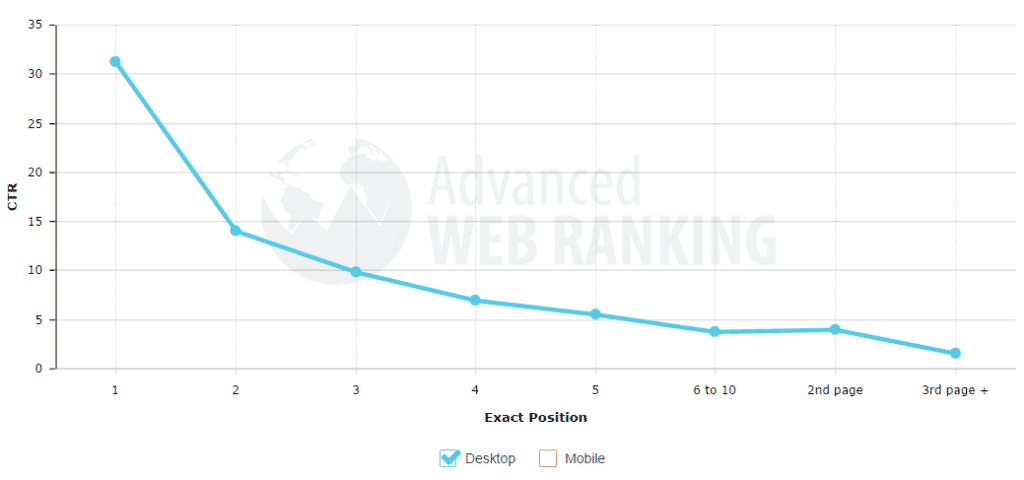
Every blogger wants their blog to rank in the top position in Google search results since users commonly select results contained on the first page, especially those in one of the top 3 positions, as you can see in the graphic below. And, for years, the Google search algorithm made content king. This explains why companies invest more into content creation, with 24% of marketers planning to increase their budget for content marketing from 2020 levels. But, content creation is expensive; costing between $2000 and $10,000 a month for the average SME (small and mid-sized enterprise). If you want to get those costs down, consider using an AI-fueled content creator to make your job efficient at a lower cost.

Moreover, if you write the content yourself, or you hire a writer to create content, it doesn’t take long before you run out of topic ideas. Without fresh, valuable content posted on a consistent basis, you’ll soon find your SEO stats declining and face a lagging downturn in the number of visits to your website, which is a prelude to declining revenue.


Content creation

Content creation underpins much of your digital marketing success and, without valuable content produced on a consistent basis, you’ll quickly see visits to your website fall. Fewer visits mean fewer sales; all things being equal. Not only does low-quality content mean fewer visits, but it also impacts your brand image. That means you must not only produce fresh content but produce content visitors find valuable, which means the content is chock full of information or entertainment.

Not all content creation strategies are equal. You need branded content across multiple platforms, including not only your website but social media platforms that match your target audience. Check out the graphic below for insights on which social media platforms might fit your marketing needs best.

As the graphic points out, not only do users look at platforms to deliver different needs, such as customer service on Twitter, but require different types of content. For instance, Instagram relies heavily on images (and also requires constant updates to the profile URL since posts don’t contain links back to your website) while


Variety in content creation

Not only do you need content for multiple platforms, you need a variety of forms, including text-based blog posts, videos, podcasts, and images. Mixing up your content not only provides value but reaches consumers who prefer different content types.

Your content marketing strategy must also deal with creating content that drives visitors toward conversion since visits do nothing to support your marketing objectives by themselves. Instead, visits are just the first step in the process and, if visitors come to your website but find nothing of value, they leave quickly without converting.

Hence, you also need a variety of content types that not only keep visitors on your site but make sound arguments for why your products are better choices than your competition. Below, you’ll see a nice graphic showing how to layer content to build toward conversion.


Anatomy of the perfect post

Crafting the perfect post requires experience, writing ability, and research. No one just wakes up in the morning and dashes out the perfect post while waiting for the bus. As you might imagine from my earlier comments, crafting the perfect post requires different strategies based on which platform you’re using. Here’s a great summary of what it takes to craft the perfect social media post across the major platforms, including examples of a post for the same content modified for each platform.

When it comes to crafting the perfect blog posts, you must consider the impact of your content on SEO, in addition to considerations mentioned earlier.

Here are some ideas for creating the perfect blog post:

  • Longer content gets more traffic with posts between 1800 and 3000 words attracting 15 times more backlinks (a key SEO factor) and those around 2500 words much more likely to show up in the top 3 spots on Google results pages (SERPs).
  • A great headline since 80% of people read the headline, while only 2% read the post.
  • Make content skimmable since 43% of visitors skim the post rather than read from beginning to end. Add images, headings, and bullets to make it easier for visitors to skim your post. [As an added benefit, bullets often end up in a featured snippet that proceeds other content links on SERPs.]
  • Research your topic to build trust and set yourself up as an expert. Include links to high authority sites as a normal part of your content creation strategy.
  • Include a conclusion and a call to action before ending your post.


Content calendar

For most businesses, content creation is a time-consuming process that’s also sometimes frustrating, as coming up with topics and sources to use in creating content doesn’t come easy to most marketers. A content calendar helps by setting up these elements of your content ahead of time; thus reducing the writer’s block that often accompanies a blank screen. Content marketing calendars also allow for editorial control, which often hampers businesses wanting to avoid inappropriate or off-brand content. Below, you can see an example of a content calendar to get you going.

As you can see in this example, the brand tries to link external events, such as March Madness, to its content strategy to increase interest and take advantage of popular searches based on these events. And, while a content calendar makes life easier, content creation still takes an average of 3.5 hours/ blog post.


Content creator

This is where AI content creators come to play. A content creator helps curate content, especially in social media where you need 80% nonpromotional content. However, it does more than that. While it doesn’t eliminate the need for content writers, a content creator reduces the stress on content writers and the time needed to craft a post.

In this article, we discuss several ways the AI content creator helps a blog to grow and reduces the stress on blog owners.


Article title suggestions

Artificial Intelligence uses an insightful algorithm and learns as it completes its tasks. Content creator Copysmith, creates a variety of different types of content, from blogs to social posts and digital advertising, using templates. But, the content creator also helps with elements of content creation such as headlines based on current SEO best practices and chosen keywords you want to form the basis of your content.


Plagiarism checker

Do you know how much Google frowns at stolen content? That’s another bottleneck of trouble that most bloggers face. But with the use of AI content creators, unplagiarized contents are created without stress.

You don’t need to buy a Copyscape product to check plagiarism levels. Content creators automatically check for duplicate content across the web and make adjustments to eliminate overt plagiarism. With an AI content creator, you are sure to have original content on your blog.

Word count recommendation

Recall above we drew the parallel between word count and SEO. Well, there’s also a suggested word count relative to the topic of your post. With an AI content creator, every post gets the right word count depending on the type of topic.


Image finder

If you ever had to search online to get the right image for an article, you understand that it not an easy task. AI content creators alleviate the stress of finding the right image for articles by automatically searching for images based on the type of topic.


Auto image alt text

Image alt text identifies images for visually impaired users and acts to inform the Google bot about the content for SEO purposes. Choosing a content creator able to automatically added critical image alt text to meet these twin goals makes life easier for brands.

Moreover, some bloggers don’t understand the proper use of alt text and sometimes just put any text that comes to mind in the required location or leave this information blank. However, an AI content creator analyzes the image and creates a proper image alt text.


Final thoughts

Instead of spending time and money handcrafting blog posts and other content, AI content creator provides several benefits that reduce your stress and also improve your blog.

Original Source: feedproxy.google.com

10 Awesome Social Media Tools to Try This Year

Managing social media shouldn’t be a pain, and it shouldn’t monopolize your entire schedule. Social media platforms are meant to be a fun new way to engage with others within your network. When you apply the right strategies, you can grow your following organically, which can impact your entire business.

It never hurts to have a robust toolkit that will help ensure you’re doing all you can to be creative and that you’re engaging with your audience in the best possible ways. So, we’ve rounded up some of the best social media tools that will help you be as captivating as possible on your social platforms.

Without further ado, here are some sweet social media apps and programs that you’ll want to add to your toolbox this year.


1. Content Studio

Everybody knows that when it comes to getting traction on the Internet, quality content that people want to consume is the way to go. The problem is, when you’re a busy entrepreneur or business owner, finding the time to create and curate great content can be quite the challenge. Content Studio, a tool that allows you to quickly discover relevant and timely content to share socially with your audience, is a wonderful remedy to this conundrum. You can also use the platform to schedule your posts and automate your campaigns. It’ll even recommend images and hashtags. How easy is that?

Pricing: Starts at $49 a month.


2. Insense

Interested in influencer marketing but unsure of where and how to get started? Insense is a platform that lets you connect with influencers and run sponsored influencer campaigns. All you have to do is create a compelling brief, and influencers interested in working with you will respond. All communications can be handled directly through the Insense platform, making the process easy and convenient. So, no more individual vetting and outreach to get that coveted third-party credibility.

Pricing: You can try a one-time campaign for free! Paid packages start at $300 a month.


3. Quuu Promote

Another great way to connect with influencers is Quuu Promote, a tool that lets you promote your content by suggesting it to Quuu users. All you have to do is create a social media post that you’d like Quuu users to share and select the appropriate interest group for your content. Once approved, your post will then be suggested to the Quuu community. If it’s good stuff, users will naturally want to share it with their audiences, which can help you grow and increase traffic to key content.

Pricing: Starts at $75 a month.


4. Lisa

Ever take a series of photos and then wonder which one will get the most engagement on Instagram? It seems like such a trivial concern, but the truth is certain images just perform better. If you have been in this predicament before, let Lisa come to your rescue! Through the power of machine learning, the Lisa app will analyze your images and recommend the one it “thinks” will generate the most engagement. Lisa even suggests which relevant hashtags you should use with each photo.

Pricing: Perhaps the best part. Lisa is completely free to use!


5. Story Slicer

The latest and greatest thing in social media today is “stories.” Just look on Instagram, TikTok, and Facebook, and you’ll see the power of stories being put to use on a daily basis. Story Slicer is a tool that lets you split longer video clips into shorter, more bite-sized ones that are perfect for creating and sharing stories on social media. All you have to do is pick a video and choose your preferred social platform. Story Slicer will then split the video into clips that are optimal length.

Pricing: $1.99 to download the app.


6. Fastory

With one billion active users, Instagram represents a veritable gold mine for marketers. Fastory is an online graphics editor that makes it easy to create static or animated stories. The simple-to-use editor guides users through a three-step process for creating engaging stories, including choosing animation, choosing or uploading a photo or video, and adding your logo. Master Instagram like a pro!

Pricing: You can try the tool for free for seven days. Based in Paris, the small business package starts at 499€, which is about $609.99.


7. PixelMe

You probably already know the value of shortening your URLs for social media sharing, but now you can get more bang for your buck by using PixelMe. This URL shortener also includes a retargeting pixel. When people click on your PixelMe links, you’ll be able to remarket to them with relevant ads on Facebook, Twitter, Instagram, and more. It doesn’t get much easier than that!

Pricing: They offer a free forever plan, but paid plans start at $17 a month.


8. Promo

Video continues to be a popular way for people to consume content. Videos are a powerful marketing tool, but who’s got the time, let alone the equipment, to focus on creating high-quality, compelling marketing videos? With a library of over 23 million premium video clips and licensed music, Promo makes it ridiculously easy to create high-quality video content in just minutes. Choose from their library or upload your own, enter your copy and logo into the placeholders, add music, and voila!

Pricing: Starts at $49 a month.


9. Crello

Want to create eye-popping, professional-quality graphics without having to hire a designer? Crello is a simplified free graphic design tool that provides 30,000+ design templates as well as millions of design elements and stock images. Create graphics from scratch or choose one of Crello’s awesome free templates. Then just drag and drop to add, edit and move elements to create your perfect design.

Pricing: You can get started for free, but the paid plan is only $9.99 a month.


10. Adioma

People love infographics. They’re visually appealing, useful, and super shareable. With Adioma, you can create awesome infographics in just minutes. Simply type the text you wish to include, and Adioma will handle the design work for you, suggesting relevant icons and automatically adapting the design to the amount of text you enter. Impress your audience with professional-looking, informative and viral-worthy infographics.

Pricing: Starts at $39 a month.

These are just a few of the many creative and helpful social media tools that are sure to help your 2021 strategy reach new heights. What did we miss? Do you have a great new social media tool that you’re excited about? Let us know about them!


The post 10 Awesome Social Media Tools to Try This Year appeared first on BenchmarkONE.

Original Source: hatchbuck.com